


A basilar artery aneurysm occurs when there is a weak spot or bulge in the wall of the basilar artery, a major blood vessel located at the base of the brain. This condition can be caused by various factors, including high blood pressure, atherosclerosis, trauma, or genetic predisposition. Symptoms of a basilar artery aneurysm may vary depending on its size and location but can include severe headache, nausea, vomiting, visual disturbances, and neurological deficits such as weakness or numbness. Diagnosis typically involves imaging tests such as CT scans, MRI, or angiography to visualize the aneurysm and assess its size and location. Treatment options aim to prevent rupture and may include medication to control blood pressure, minimally invasive procedures, or surgical intervention.
Dorsal flow diverter insertion is a minimally invasive procedure used to treat basilar artery aneurysms by redirecting blood flow away from the aneurysm and promoting its healing and stabilization. During the procedure, a small catheter is inserted into the blood vessels through a tiny incision in the groin and guided to the site of the aneurysm in the basilar artery. A dorsal flow diverter device, made of a fine mesh-like material, is then carefully placed across the neck of the aneurysm to divert blood flow away from the weakened area, reducing the risk of rupture. This helps to gradually seal off the aneurysm and prevent further enlargement or rupture. This procedure is performed under imaging guidance and typically does not require open surgery, resulting in less trauma, faster recovery, and reduced risk of complications compared to traditional surgical approaches.
Mr. B. Narsimha Reddy from Hyderabad successfully underwent Dorsal Flow Diverter Insertion for Basilar Artery Aneurysm at Yashoda Hospitals, Hyderabad, under the supervision of Dr. Bharath Kumar Surisetti, Consultant Neuro Physician and Movement Disorder Specialist and Dr. Sanket Kulkarni, Consultant Interventional Radiologist.
Rectal Cancer Stage 3
Colon cancers in Stage III spreads to nearby lymph nodes and not yet to other..
Coiling of A.Comm Aneurysm
At Yashoda, We never felt like I was away from home. The facilities and the..

Knee Replacement Surgery
Osteoarthritis is caused by the slow destruction of the protective cartilage..
Groundnut Removal From Lungs
Zohan, aged 1.5 yrs and a resident of Sangareddy in Hyderabad was treated by..
Thrombotic Thrombocytopenic Purpura
Thrombotic thrombocytopenic purpura (TTP) is a rare and serious disorder that..
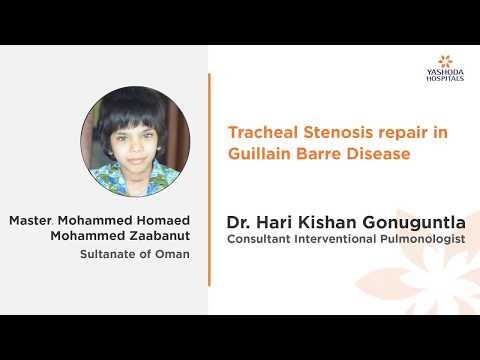
Tracheal Stenosis Repair
My son had narrow airway (Tracheal Stenosis), we came from Sultanate of Oman ...
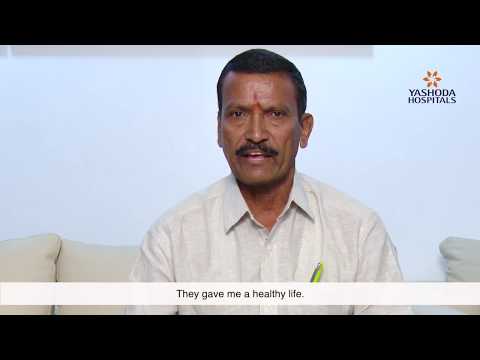
Bone Marrow Transplant for Lymphoma
My illness was diagnosed as lymphoma. After chemotherapy I consulted Dr. Ganesh..

Tumor Debulking Tracheal Stenting
"In 2015, my mother was diagnosed with Stomach Cancer and we consulted a few..
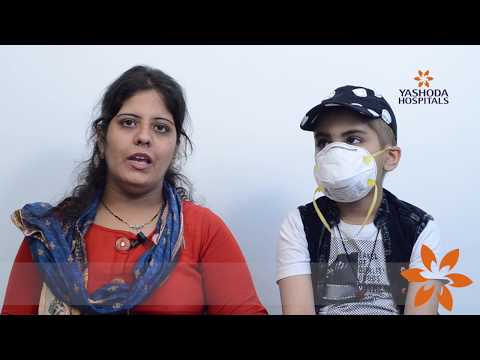
Bone Marrow Transplant
Bone Marrow Transplant done by best bone marrow transplant physician in..


 Appointment
 Second Opinion
 Live Chat
 Call
Call More
More